
Artemis Insurance BrokersFCA authorised · BIBA member
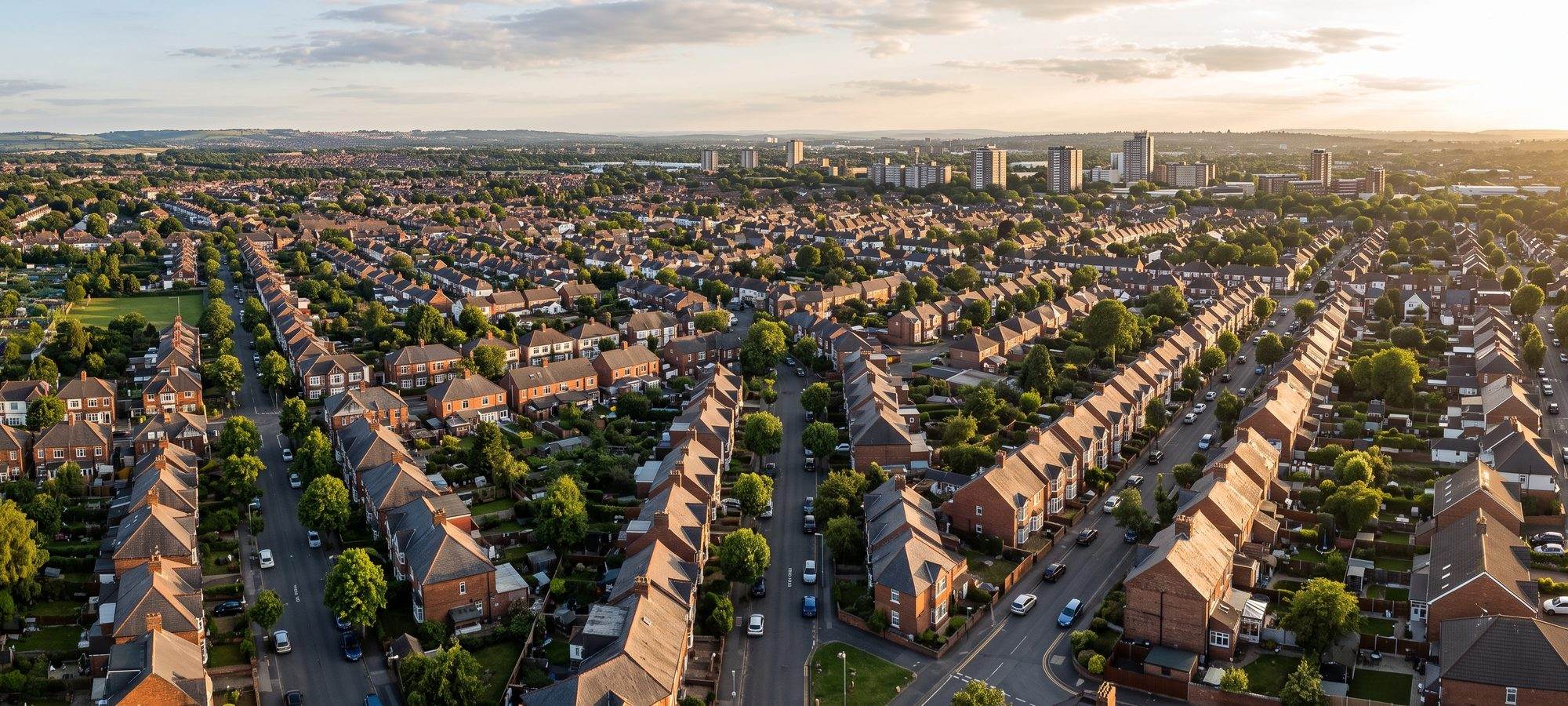
A five minute read on how property owners insurance actually works, written by an FCA authorised broker who places this cover every week. The cover review on the right takes four details.
We look at where your cover sits against the market and come back to you by email.
Parav or one of the team will come back to you personally, usually within one working day.
If it is urgent, call us on 020 8619 5000.
The risks behind a single buy to let look nothing like the risks behind a block of flats or a serviced accommodation operation. The cover should not look the same either.
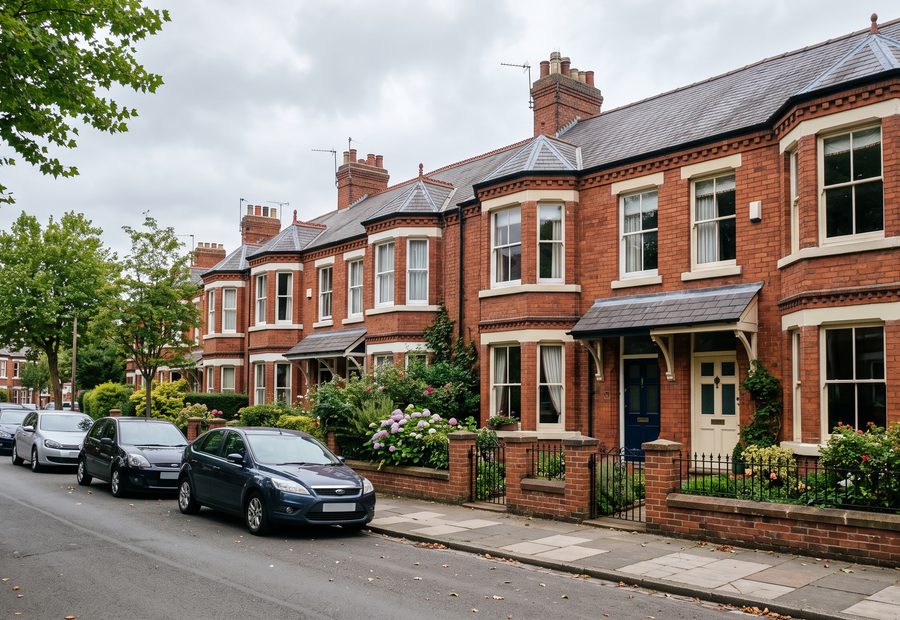 Landlords and portfolio investors
From one buy to let to a portfolio across several towns, held personally or through a limited company.
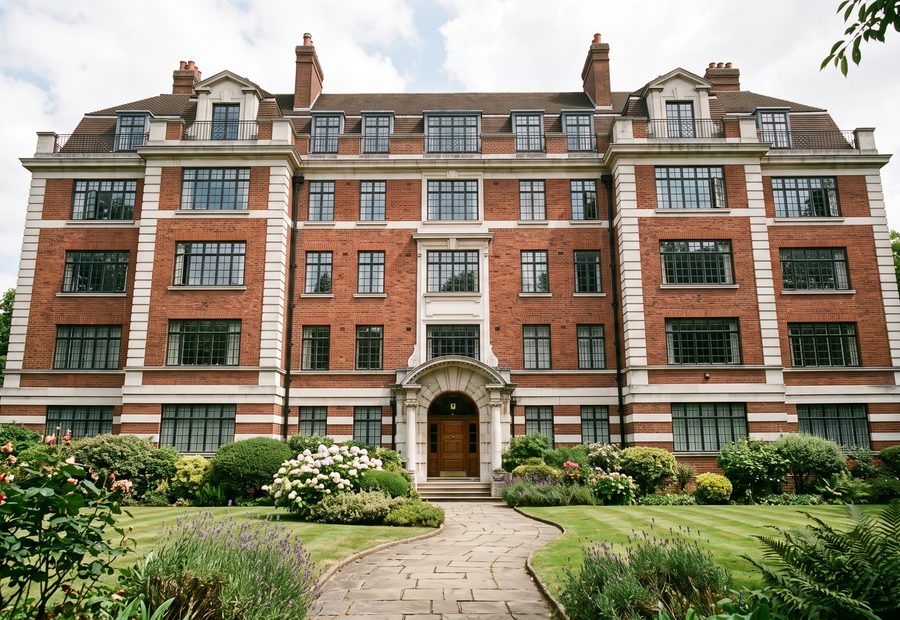 Freeholders and block owners
Blocks of flats, communal areas, residents associations and right to manage companies, where the liability sits with you.
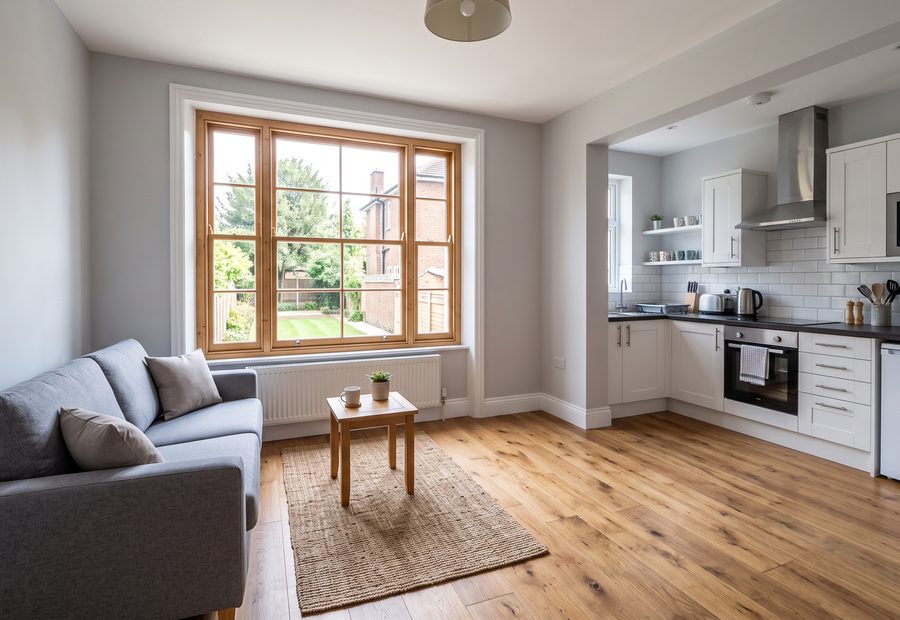 HMO, rent to rent and serviced accommodation
Higher turnover of occupants, shorter lets and different insurer appetite. Standard landlord policies often will not respond.
The seven questions we get asked most. Written to be read in five minutes, not to rank on Google.
Not by statute, but close to it in practice. Your buy to let lender will almost always make buildings cover a condition of the loan, and a leasehold block's lease normally obliges the freeholder to insure. The trap runs the other way too: most residential home policies exclude a property the moment it is let, so a landlord relying on one is often uninsured without realising it.
It covers your legal liability if someone is injured, or their property damaged, because of your building. A tenant hurt by a loose stair rail, a visitor hit by a falling roof tile, a contractor injured in a communal area. It matters because a buildings claim is capped by the rebuild cost and an injury claim is not. Limits commonly run between £2m and £10m, and the low end is often not enough for a block with communal areas.
Rebuild value rather than market value, plus location, construction, use, occupancy and claims history.
We will not quote a price on a web page. Anyone who does is guessing, and you would be entitled to hold them to it.
This is where most property owners get caught. Nearly every policy has an unoccupancy clause, typically 30 or 45 consecutive days, after which cover drops back to fire, lightning, explosion and aircraft only. No escape of water, no theft, no malicious damage, at exactly the point the property is empty and most exposed. Refurbishment usually counts as unoccupied too. Tell your broker before the void starts, because very few insurers will extend the period retrospectively.
Some do, many do not, and this is a common gap. Letting room by room to unrelated occupants is a materially different risk from a single family let, and many mainstream landlord policies either exclude it or void cover if a property is converted mid term without telling the insurer. If you run HMOs you want an insurer with real HMO appetite, rating on lettable rooms, and malicious damage by tenants included rather than stripped out.
Yes, and usually in your favour. A freehold block normally needs a combined policy covering the building, communal areas, property owners' liability, loss of rent, and often directors and officers cover where the freehold sits in a management or right to manage company, with the sum insured set by a proper reinstatement valuation rather than a figure carried forward for years. Past a handful of properties, a portfolio policy puts everything on one schedule, one renewal date and one premium, and usually prices better because the insurer is rating a spread of risk.
Build costs have risen sharply and most sums insured have not kept pace, because they roll forward at a small index each renewal instead of being reassessed. It bites through the condition of average. Insure a building for £400,000 when the true rebuild cost is £600,000 and the insurer can reduce a claim by the same proportion, so a £60,000 escape of water claim pays £40,000. That applies to partial claims, not just total losses. Rebuild cost is not market value and it is not what you paid.
The condition of average, from the guide above

Company name, renewal date, email and a number. That is the whole ask, and it takes about a minute.
We look at your company, your property profile and where your cover is likely to sit against current market terms, before we contact you.
A short read on where your cover sits against the market. If your current policy and price are already right, we will say so and come back at your renewal.
Four details is all we need to start. We work to your renewal date, so the timing is yours.
Takes about a minute. Or call us on 020 8619 5000, Monday to Friday, 9am to 5pm.